


· Views 42,409

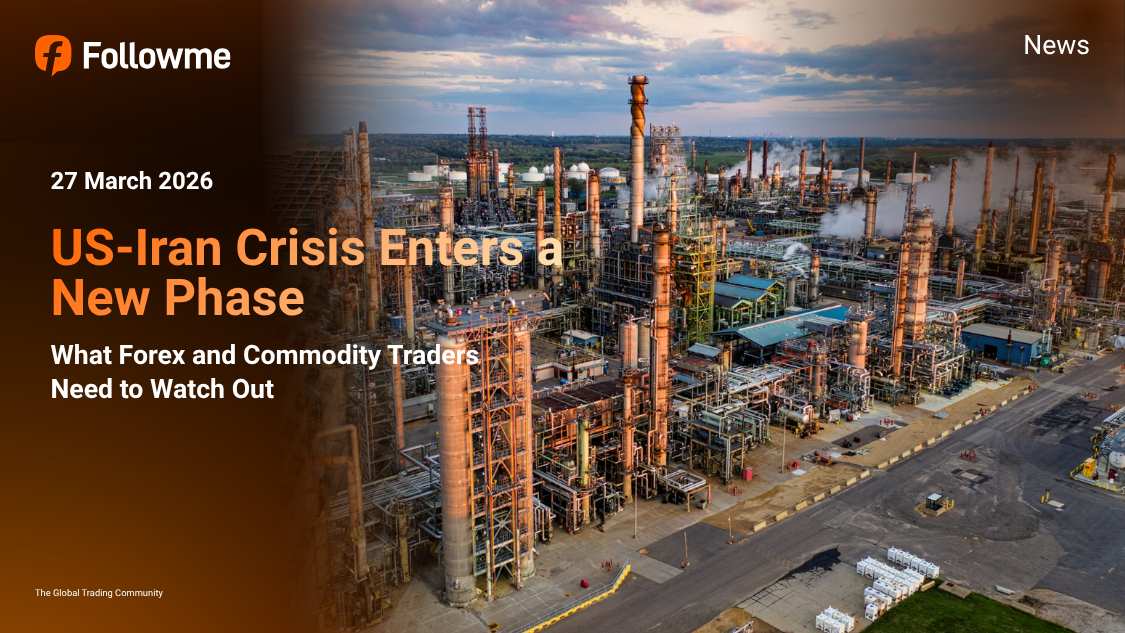
Market Overview: The current US-Iran situation has entered a more complicated and market-sensitive phase.
President Donald Trump said he would extend a pause on attacks against Iranian energy plants for 10 days until April 6, 2026, while claiming talks were going “very well.” At the same time, Iran has publicly said it is not engaged in talks with Washington, and an Iranian official described the latest US proposal as “one-sided and unfair.” That gap between official messaging and actual diplomatic progress is exactly why markets remain highly reactive.
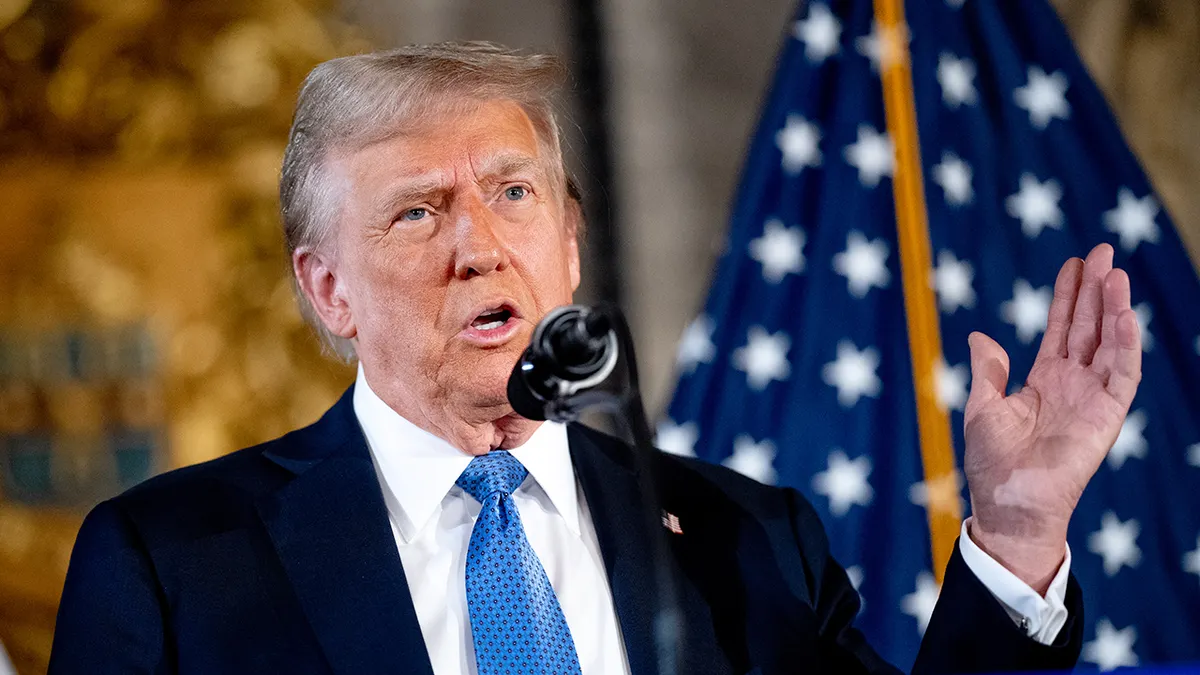
Source: Fox News
Geopolitical Pressure: The conflict has already moved far beyond a regional political story and into a major macroeconomic risk event. The war began on February 28 after US and Israeli strikes on Iran following failed nuclear talks, and it has now entered its fourth week.
Even while Trump talks up diplomacy, the broader military backdrop remains tense. The Pentagon is expected to send 3,000 to 4,000 additional soldiers to the Middle East, adding to an already large US regional presence and reinforcing the market view that military options remain very much on the table.
Energy Shock: The biggest transmission channel into global markets remains energy. The war has effectively blocked fuel exports through the Strait of Hormuz, a chokepoint that carries about 20% of global oil and liquefied natural gas flows. That is why oil has become the heartbeat of the entire story. Brent crude settled at $104.501 on March 26, while US crude settled at $93.61.
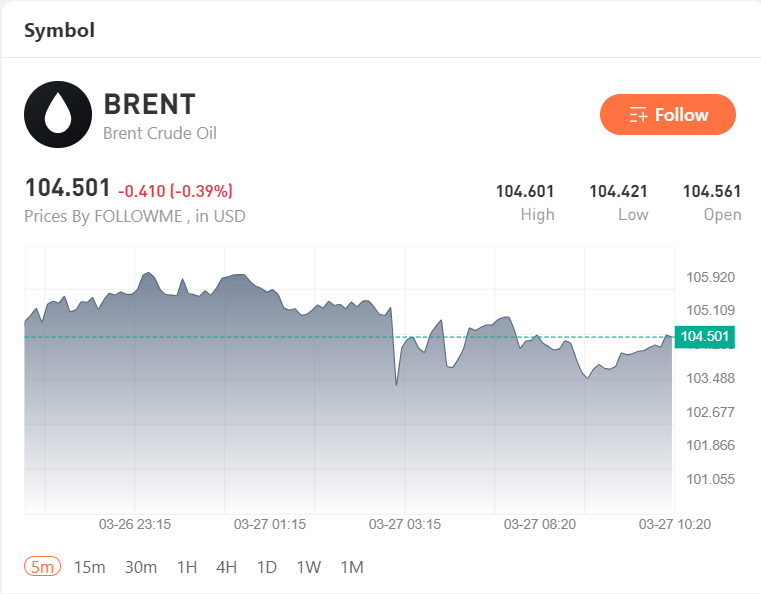
Source: Followme's "Markets" feature
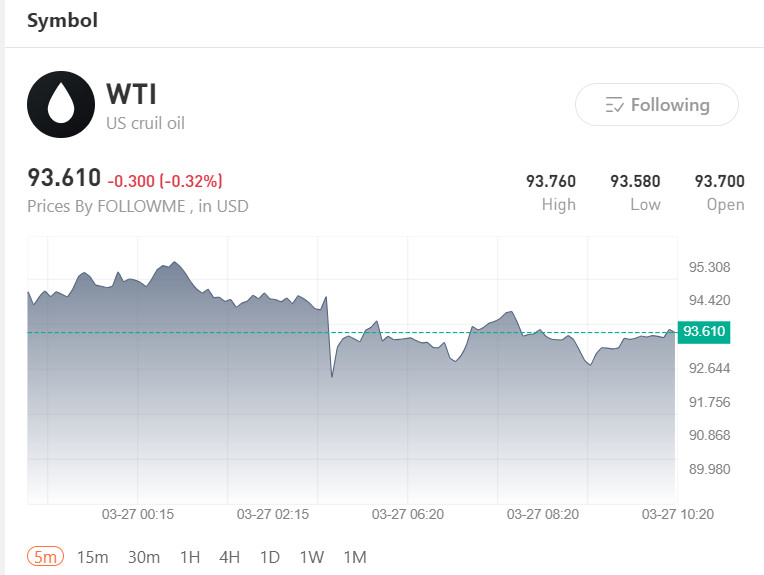
Source: Followme's "Markets" feature
Federal Reserve Connection: One of the most important developments for macro traders came from Federal Reserve Governor Lisa Cook. She noted that tariffs had already pulled inflation away from the Fed’s 2% target, and that the war was pushing it even further in the wrong direction. It is reported that the Fed left rates unchanged at 3.50% to 3.75% last week, but since then markets have sharply reassessed the path forward, with futures now reflecting essentially zero chance of a rate cut this year.
What traders should watch out next:
Oil direction: Watch whether crude stays elevated or starts cooling, because oil is still the main market signal from this conflict.
US dollar strength: The dollar is still benefiting from safe-haven demand, so traders should monitor how long that defensive flow continues.
Fed inflation risk: Higher energy prices are increasing inflation concerns, which could affect rate expectations and forex pricing next
Want to stay ahead of major macro developments that move the Forex market?
👉Follow Followme and check out the Weekly Economic Calendar
Download Followme Application


Follow us on:


Peringatan: Pendapat yang disampaikan sepenuhnya merupakan milik penulis dan tidak mencerminkan posisi resmi Followme. Followme tidak bertanggung jawab atas keakuratan, kelengkapan, atau keandalan informasi yang disediakan, serta tidak bertanggung jawab atas tindakan apa pun yang diambil berdasarkan konten ini, kecuali dinyatakan secara tertulis.
Suka artikel ini? Tunjukkan apresiasimu dengan memberi hadiah untuk penulis.
 Belum ada komentar. Jadil yang pertama untuk membagikan komentar.